

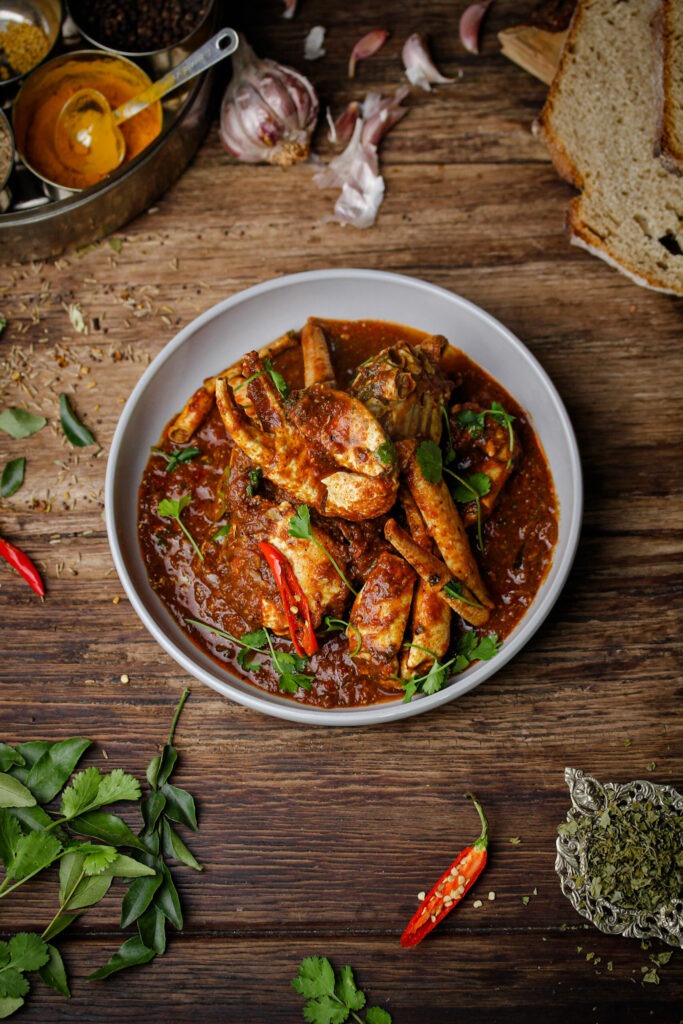
This Durban Crab Curry is bold, spicy, tangy and packed with flavour from freshly roasted spices, curry leaves, garlic, tomato and tamarind.
It is the kind of curry that demands a little time at the table, because crab is not a neat, knife-and-fork meal. You crack the shells, pull out the sweet meat, scoop up the gravy and, if you are doing it properly, there is probably curry running down your fingers before you are finished.
That is part of the experience.
The sweetness of the crab works beautifully against the heat of the masala and the sharpness of the tamarind, while the tomato-based gravy soaks into the shells and carries all those spices into the meat.
This is not a mild curry and it is not meant to be creamy. It is a proper Durban-style seafood curry with heat, acidity and plenty of gravy for rice or fresh bread.
Durban crab curry sits firmly in the South African Indian curry tradition, with bold spice, curry leaves, tomato and tamarind playing a big role in the flavour.
Unlike coconut-based crab curries, this version gets its richness from tomatoes, onions, spices and the natural sweetness of the crab.
The tamarind is especially important because it cuts through the richness and brings that sharp, tangy note that works so well with seafood.
There are many family variations, but Durban-style crab curry is generally known for being spicy, tomato-based and deeply flavoured.

One of the things I love most about this recipe is the freshly roasted spice mix.
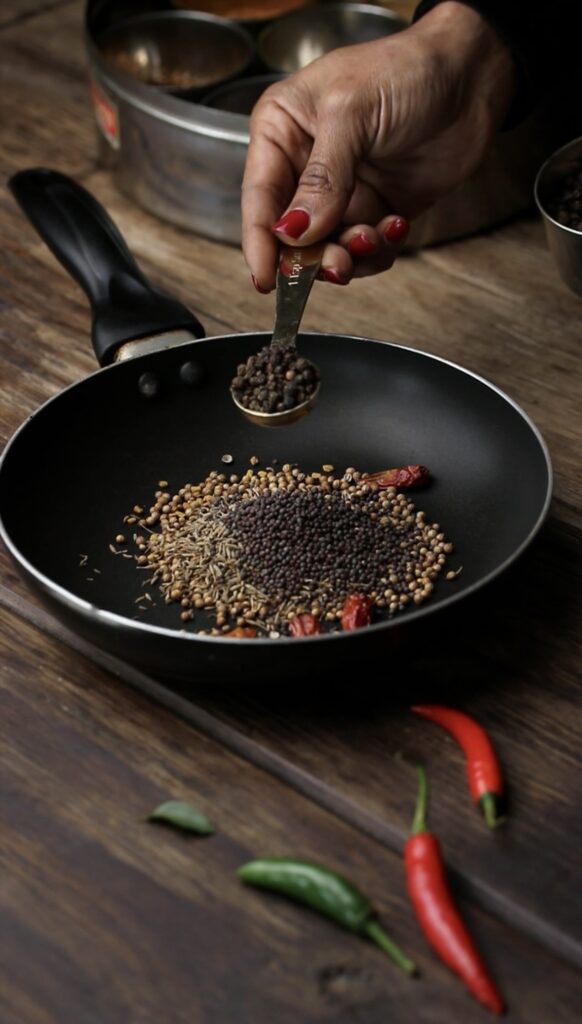
Cumin seeds, mustard seeds, fenugreek seeds, coriander seeds, black peppercorns and dried red chillies are toasted gently before being ground.
That first step gives the curry far more aroma and depth than relying only on pre-ground spice.
The heat from the pan wakes up the natural oils in the whole spices, which is why the smell is so incredible even before the curry really gets going.
Just be careful not to burn them. Gentle heat is all you need.
Tamarind is one of the defining flavours in this curry.
Crab is naturally sweet, so the sourness of tamarind gives the sauce balance and keeps the curry from becoming too rich or flat.
I mix the tamarind with warm water before adding it to the pot so it disperses evenly through the gravy.
You can adjust the amount slightly according to how sour your tamarind is and how tangy you like your curry.
Ask your fishmonger to clean and portion the crab if possible. It saves a lot of time and makes the cooking much easier.
Before cooking, check the pieces carefully and rinse away any loose shell fragments.
If the claws are very thick, a light crack can help the curry gravy work its way into the meat.
Crab shells can be sharp, so handle the pieces carefully while cleaning and cooking.
This is one curry where I like proper heat.
The sweetness of crab can handle chilli beautifully, and the combination of dried chillies, chilli powder and masala gives the dish its characteristic punch.
That said, you can still adjust the chilli to suit your family.
Use less chilli powder for a gentler curry or increase it if you enjoy a properly hot Durban-style crab curry.
Add the cumin seeds, mustard seeds, fenugreek seeds, coriander seeds, black peppercorns and dried red chillies to a dry frying pan.
Toast over low heat for about 3 minutes, stirring or tossing frequently.
The spices should become fragrant but must not burn.
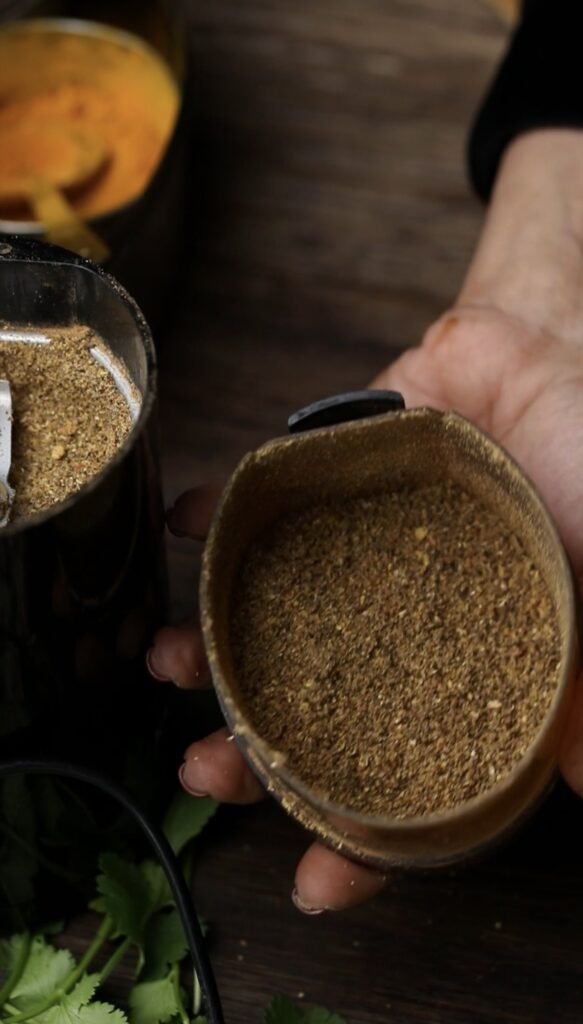
Remove from the heat and allow them to cool completely.
Once cooled, grind the roasted spices into a fine powder.
Set aside.
You will use this freshly ground spice mix in stages as the curry cooks.

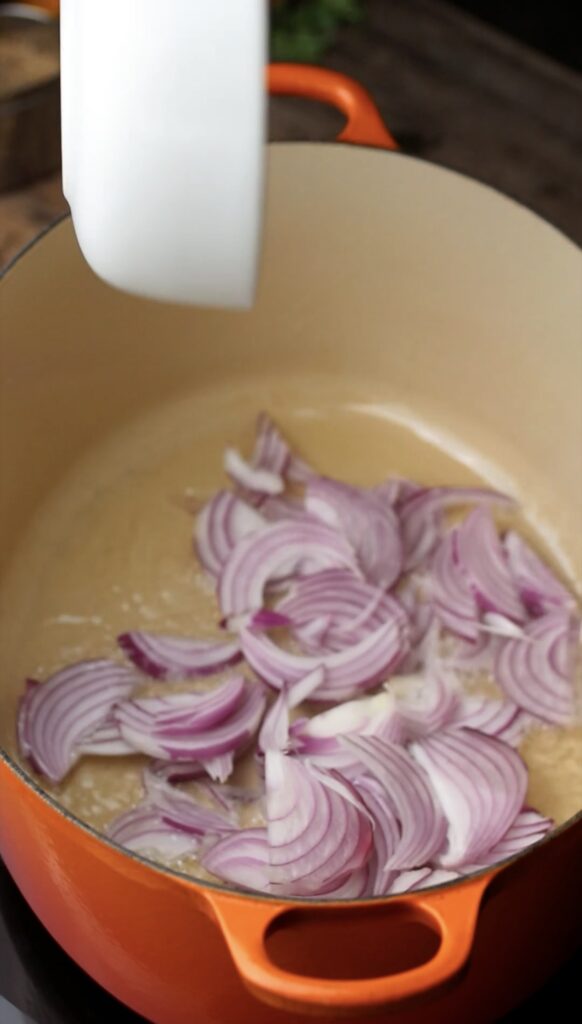
Heat the oil in a large pot over medium to medium-high heat.
Add the sliced red onions and one sprig of curry leaves.
Cook until the onions soften and become translucent.
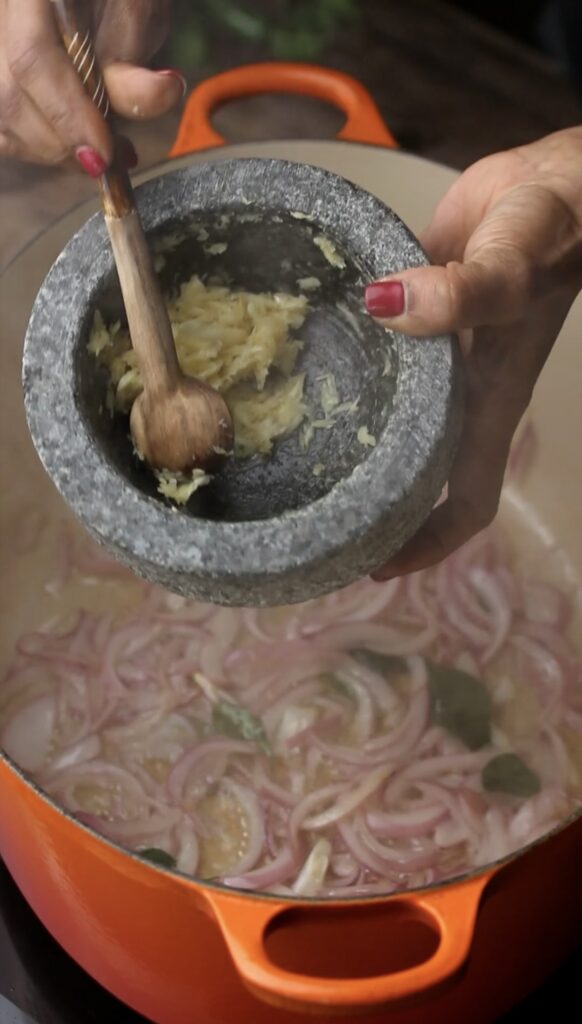
Add the crushed garlic and cook for about 1 minute.
Stir frequently so the garlic does not catch.
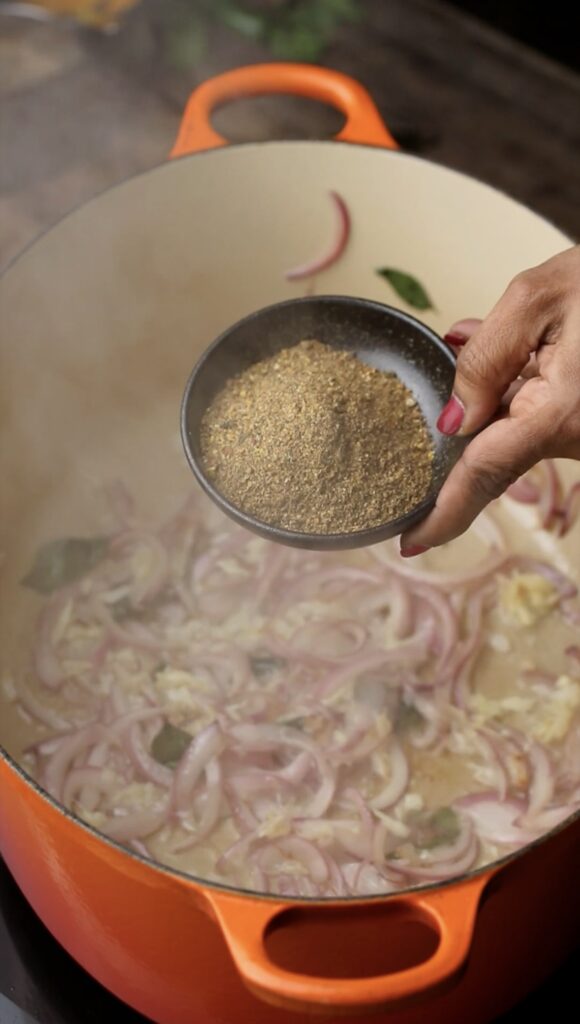
Add about 2 heaped tablespoons of the freshly ground spice mix.
Season with coarse salt and stir well.
Cook briefly so the spices bloom in the onion mixture.
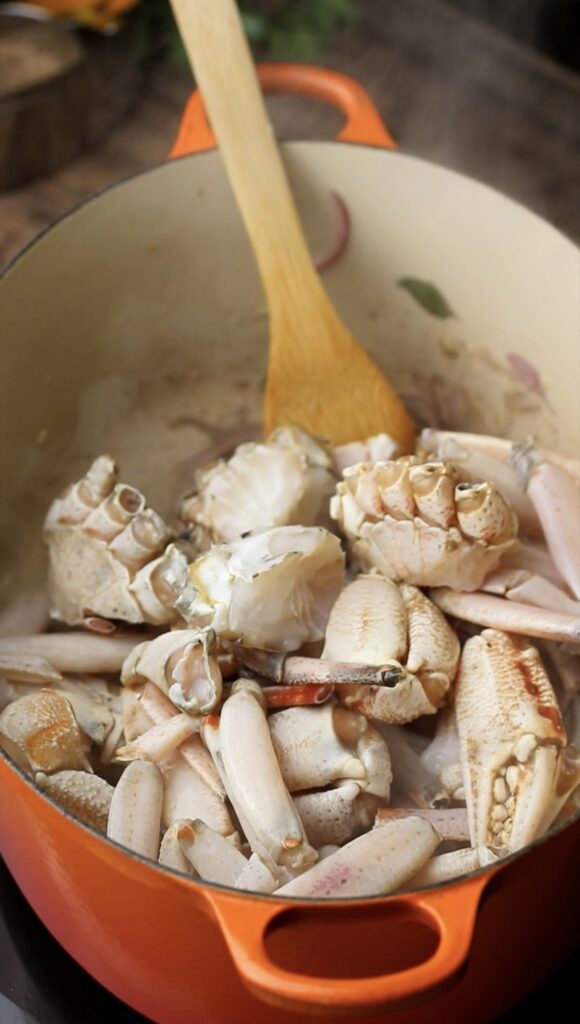
Add the cleaned crab pieces to the pot.
Mix gently so the shells are coated in the onion and spice mixture.
Cover and cook for about 5 minutes.
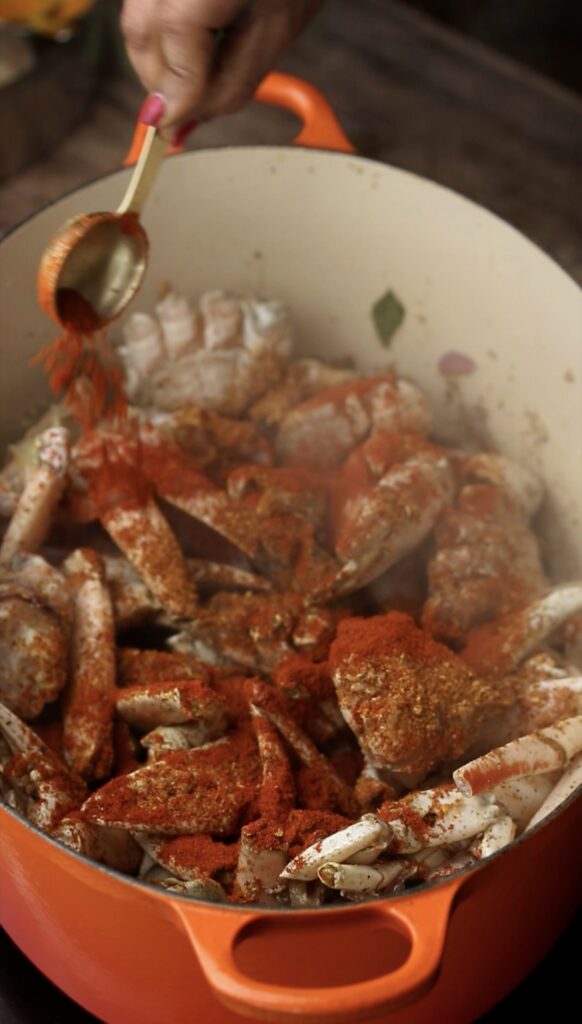
Add the chilli powder, masala, turmeric and another tablespoon of the freshly ground spice mixture.
Toss everything well so the crab is evenly coated.
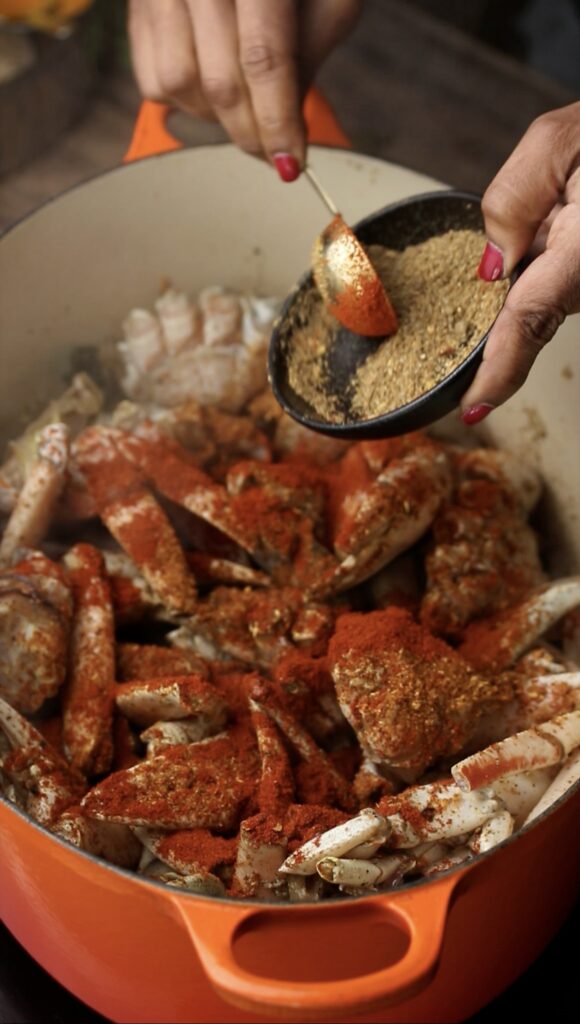
Add the crushed tomatoes.
Mix the tomato paste with a small splash of water and add that too.
Stir gently and allow the tomato to begin cooking into the spices.
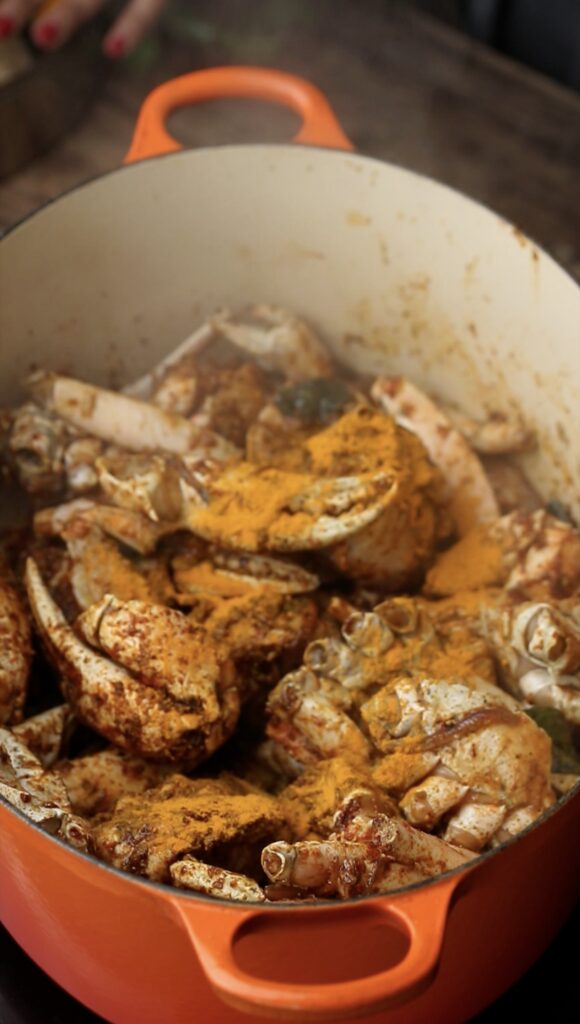


Add the boiling water, tamarind liquid and the remaining curry leaves.
Mix carefully.
Reduce the heat slightly and simmer for about 10 to 15 minutes, or until the crab is cooked and the gravy has thickened.
Taste the gravy.
If the tomatoes and tamarind make it too sharp, add 1 to 2 teaspoons sugar to balance the acidity.
Add only as much as needed. The curry should still taste tangy, not sweet.
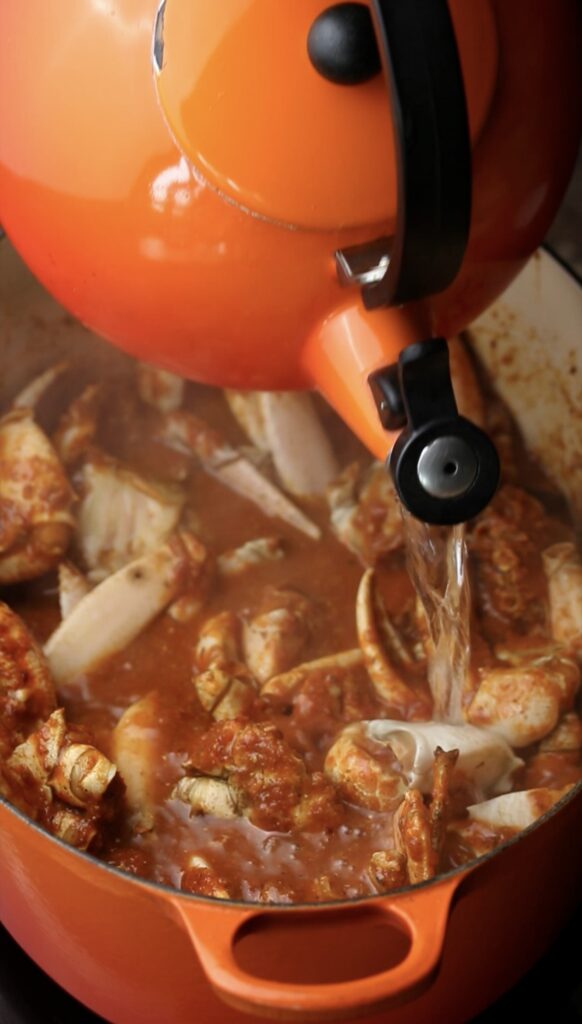


Sprinkle over the kasuri methi and plenty of freshly chopped dhania.
Remove from the heat and allow the curry to stand for a few minutes before serving.
I like Durban crab curry with a generous but thick gravy.
You want enough sauce to get into the shells and coat the crab, but it should not be watery.
If the gravy is too thin, simmer uncovered for a few extra minutes.
If it becomes too thick before the crab is cooked, add a small splash of hot water.
The sugar is not there to make the curry sweet.
It is there to balance acidity.
Between the crushed tomatoes, tomato paste and tamarind, there is a fair amount of sharpness in the sauce.
Sometimes 1 teaspoon is enough. Sometimes you may need 2.
Taste first and add gradually.
Yes.
Like many curries, the flavour deepens after the dish has had time to sit.
You can cook it earlier in the day and reheat gently before serving.
Do not simmer it aggressively for a long time when reheating because the crab meat is already cooked and can become dry.

For me, this is one of those curries where you want something simple alongside it so the crab remains the main event.
Serve it with:
And keep plenty of serviettes nearby. You are going to need them.
This is not really a delicate meal.
Use your hands.
Crack the shells, pull out the crab meat and use bread or rice to scoop up the spicy tomato and tamarind gravy.
The best part is all the flavour that works its way into the shells while the crab cooks.
It is messy, but that is part of what makes crab curry such a great meal to share around a table.
There are curries you make for convenience, and then there are curries you make because the whole experience is worth it.
Durban crab curry is definitely the second kind.
The freshly roasted spices, hot masala, tomatoes and tamarind create a gravy that is bold enough to stand up to the sweetness of the crab, while the curry leaves and kasuri methi add layers of flavour all the way through.
It is spicy, tangy, messy and deeply satisfying.
Roll up your sleeves, get the rice ready and accept that nobody is eating this neatly.
An authentic Durban Crab curry made with freshly ground spices, tomatoes and tamarind. Cooked to perfection to please the whole family
SPICE MIX:
Toast the whole spices gently over low heat and allow them to cool completely before grinding.
CRAB:
Ask your fishmonger to clean and portion the crab if possible. Lightly cracking very thick claws can help the curry flavour reach the meat.
TAMARIND:
Tamarind adds the tangy element that balances the sweetness of the crab. Adjust slightly depending on the strength of your tamarind.
HEAT:
This is meant to be a spicy curry, but you can reduce the chilli powder or dried chillies if you prefer less heat.
GRAVY:
The finished curry should have a generous but thick gravy, not a watery sauce.
SUGAR:
Sugar is optional and should only be added if needed to balance acidity. Add gradually and taste as you go.
KASURI METHI:
Crush the dried fenugreek leaves between your fingers before sprinkling them over the finished curry.
SERVING:
Serve with steamed rice, roti or fresh soft white bread.


