
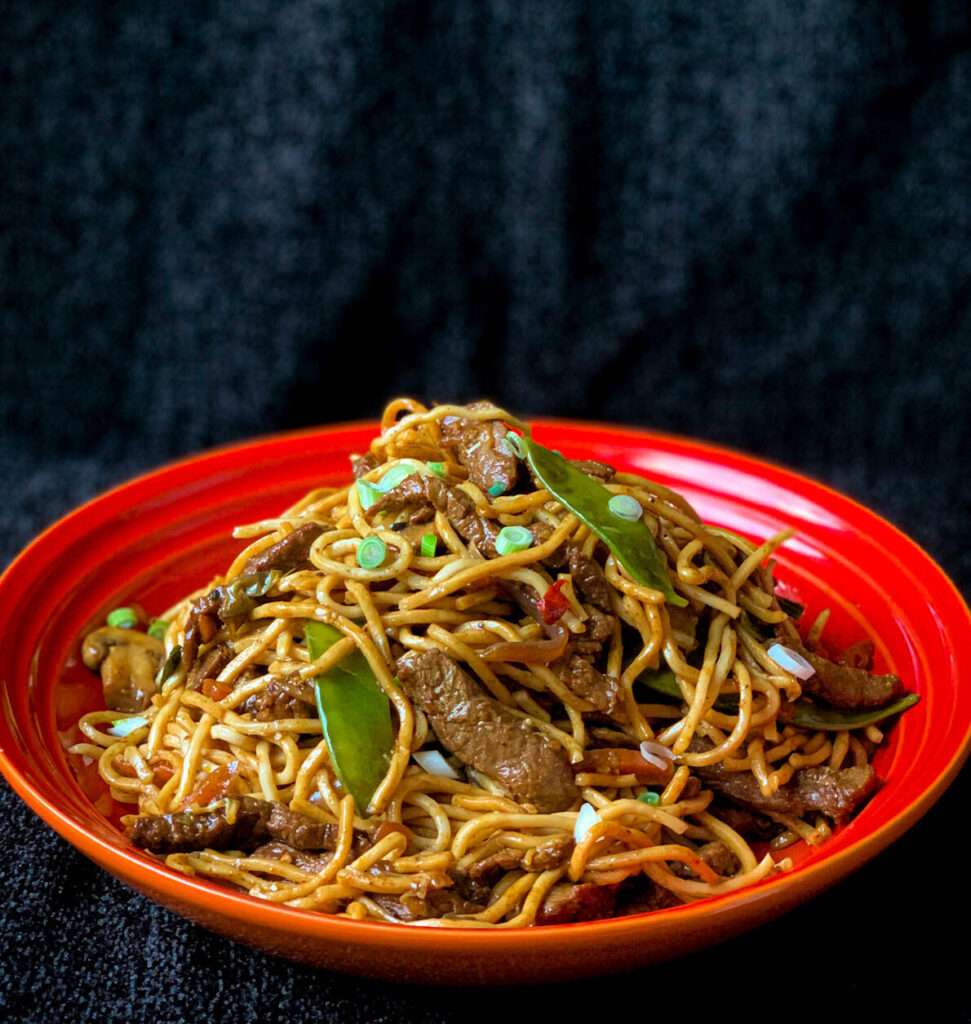
Some recipes earn a permanent place in your kitchen simply because they work. This easy chow mein recipe is one of those for me. I've been making versions of it for years, especially when I want something quick, filling and packed with flavour without spending hours in the kitchen.
Thinly sliced chicken or beef is stir-fried with plenty of colourful vegetables, garlic and spring onions, then tossed with egg noodles and a simple homemade stir-fry sauce.
It's quick, satisfying and incredibly versatile.
And the best part is that this homemade chow mein is really more of a formula than a strict recipe.
Use chicken today and beef next time. Change the vegetables according to what's in the fridge. Add mushrooms, broccoli or peppers. Add some chilli if you like heat. Leave out the meat completely and make it vegetarian.
Once you understand the basic method, this becomes one of those useful recipes you can make again and again without it ever being exactly the same.
There is a little chopping involved, but once everything is prepared the actual cooking happens very quickly.
Which brings me to one of the most important rules of stir-frying:
Have everything ready before you heat the wok.
Once that wok gets hot, things move fast.
Chow mein is a Chinese noodle dish based around stir-fried noodles, often combined with vegetables and meat or another protein.
There are many different versions of chow mein depending on where and how it is prepared, so this recipe isn't intended to be a traditional Chinese restaurant-style chow mein.
This is my easy home-style version, made with ingredients that are readily available and designed to work as a practical family dinner.
The basic idea is simple: noodles, protein and vegetables tossed together quickly over high heat with a savoury sauce.
And that high heat makes a difference.
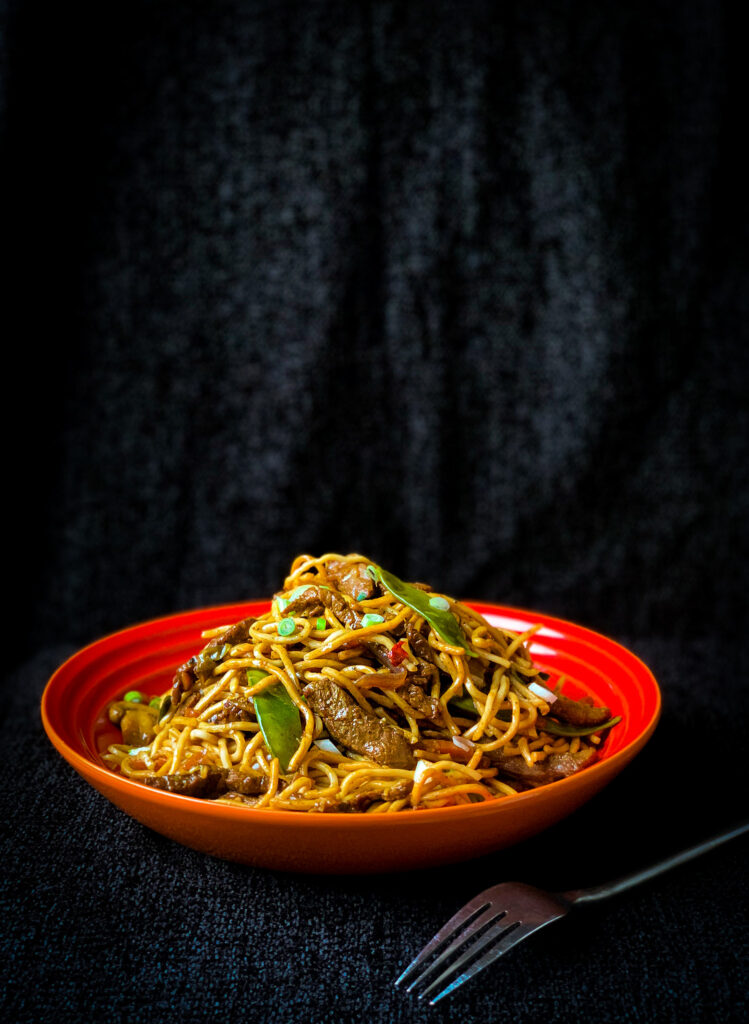
If there's one thing that can turn a good stir-fry into a watery one, it's overcrowding a pan that isn't hot enough.
Your wok or large frying pan should be properly hot before the meat goes in.
That allows the chicken or beef to develop some colour rather than slowly steaming in its own juices.
If your wok isn't large enough to comfortably accommodate 800 g of meat, cook it in two batches.
It takes a few extra minutes, but you'll get much better colour, flavour and texture.
The same principle applies when you add the vegetables. We're not trying to slowly stew them.
You want vegetables that are cooked but still colourful and with a little bite.
The beauty of this recipe is that you can use either.
Boneless chicken breast or chicken thighs both work well.
Chicken breast cooks very quickly, so be careful not to overcook it. Boneless thighs are slightly more forgiving and remain beautifully juicy.
Whichever you choose, cut the chicken into thin, relatively even strips so that it cooks quickly and evenly.
Choose a tender cut of beef suitable for quick cooking. Rump, sirloin or fillet are all good options.
For tender beef chow mein, the important thing is to slice the beef thinly against the grain.
Cutting across the grain shortens the muscle fibres and makes the cooked beef more tender to eat.
If you're struggling to slice the beef thinly, pop it into the freezer for about 20 to 30 minutes first. You don't want it frozen solid, just slightly firm. This makes thin slicing much easier.
Before stir-frying, I give the chicken or beef a very simple marinade.
Light soy sauce adds flavour, while a small amount of cornflour helps give the meat that lovely silky texture you often associate with stir-fried meat.
A little peanut oil completes the marinade.
It only needs about 15 to 20 minutes, which is perfect because you can use that time to prepare your vegetables, noodles and sauce.
When I first made this recipe years ago, I used a ready-made Chinese-style stir-fry sauce.
For this updated version, I've replaced the bottled sauce with a simple homemade stir-fry sauce.
It's made with:
It takes about a minute to whisk together and means you don't need to find a particular brand of bottled sauce whenever you want to make the recipe.
The soy and oyster sauce provide the savoury base, the honey or brown sugar balances the saltiness, sesame oil adds flavour and the cornflour helps the sauce lightly thicken around the noodles.
PriMade Tip: Give your sauce another good stir immediately before adding it to the wok. The cornflour will naturally settle at the bottom while the sauce stands.
You can replace the homemade sauce with approximately ½ cup of your favourite bottled Chinese-style stir-fry or chop suey sauce.
Different brands vary considerably in saltiness, sweetness and concentration, so taste as you go and adjust accordingly.
This is where you can really make the recipe your own.
I use approximately 700 g of mixed stir-fry vegetables, but there is no reason you need to use exactly the same combination every time.
Try any combination of:
And yes, a bag of ready-cut stir-fry vegetables is absolutely fine.
It's actually a brilliant shortcut for those evenings when you want dinner on the table quickly.
Not all vegetables cook at the same speed.
Carrots, broccoli and green beans will need more time than bean sprouts, finely sliced cabbage or leafy greens.
Add the firmer vegetables first, followed by the more delicate vegetables towards the end.
The aim is for the vegetables to be cooked but still vibrant and with some texture.
I use 500 g uncooked egg noodles for this recipe.
Cook the noodles according to the packet instructions, but be careful not to overcook them because they'll spend a little more time in the wok once everything is tossed together.
Drain the noodles really well before adding them.
Water clinging to the noodles can dilute your sauce and make your chow mein watery.
Yes.
You can also use chow mein noodles, medium wheat noodles, Hokkien noodles or rice noodles.
Simply prepare whichever noodles you choose according to the packet instructions.
Peanut oil works particularly well for stir-frying because it can handle high cooking temperatures and has a relatively mild flavour.
If you don't have peanut oil, don't let that stop you making the recipe.
You can substitute sunflower oil, canola oil, avocado oil or another neutral oil suitable for high-temperature cooking.
Slice your chicken or beef into thin strips.
Mix it with the light soy sauce, cornflour and peanut oil and leave to marinate for approximately 15 to 20 minutes.
Whisk together the light soy sauce, oyster sauce, honey or brown sugar, sesame oil, cornflour and water until smooth.
Set aside while you prepare the remaining ingredients.
Cook the egg noodles according to the packet instructions.
Drain thoroughly and set aside.
Remember not to overcook them because they will finish cooking in the wok.
Heat the peanut oil in a large wok or frying pan over high heat.
Once the wok is properly hot, add the freshly minced garlic followed almost immediately by the marinated meat.
Stir-fry until the chicken or beef develops some colour but isn't quite completely cooked through.
If your wok isn't large enough, cook the meat in batches rather than overcrowding the pan.
Add the mixed vegetables, starting with the firmer vegetables that require slightly longer cooking.
Stir-fry until just cooked while still retaining some colour and texture.
Give your prepared chow mein sauce another good stir and pour it into the wok.
Add the drained noodles and toss everything together thoroughly so that the noodles, meat and vegetables are evenly coated.
Continue tossing over the heat for a few minutes until the meat is completely cooked, everything is piping hot and the sauce has lightly thickened around the noodles.
Add the chopped spring onions and toss briefly through the noodles.
Taste before adding any additional salt because the soy sauce and oyster sauce already contain plenty of seasoning.
Serve immediately.
Add sliced fresh chilli, chilli flakes, chilli crisp or your favourite chilli sauce.
Leave out the meat and increase the amount of vegetables.
Mushrooms are particularly good because they add a lovely savoury flavour and texture.
You could also add firm tofu for extra protein.
If you want the dish to be completely vegetarian, remember to replace traditional oyster sauce with a vegetarian oyster-style sauce.
Replace the chicken or beef with peeled prawns.
Prawns cook very quickly, so stir-fry them briefly, remove them from the wok and return them when you add the noodles and sauce.
This prevents them from becoming overcooked and rubbery.
Add another clove or two of garlic.
I won't judge. 😂
Half a pepper, a few mushrooms, one lonely carrot and some cabbage?
Perfect.
This is exactly the kind of recipe where those odds and ends can become dinner rather than ending up forgotten at the back of the fridge.
You can certainly do most of the preparation ahead of time.
Slice the meat and vegetables, chop the spring onions and prepare the sauce earlier in the day if you like.
I prefer cooking the noodles and stir-frying everything shortly before serving because that's when the vegetables and noodles have their best texture.
Allow leftovers to cool, then transfer them to an airtight container and refrigerate.
Reheat until piping hot before serving.
If the noodles seem a little dry when reheating, a tiny splash of water can help loosen them.
Chow mein is really a complete meal on its own because you've already got noodles, vegetables and protein all in one dish.
If you're feeding a larger crowd, you could serve it alongside spring rolls, dumplings, crispy chicken or another simple Asian-inspired side dish.
For an ordinary weeknight, though, I wouldn't complicate it.
A generous bowl of hot chow mein is more than enough. ❤️
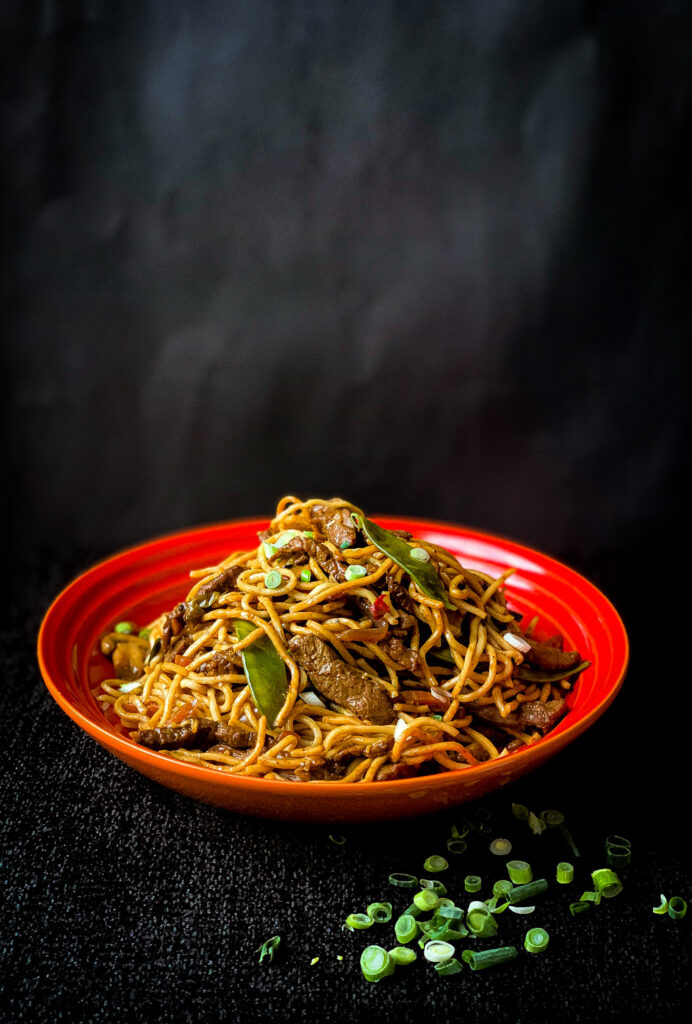
This isn't complicated cooking.
And that's exactly why I love recipes like this.
We all need a handful of meals that don't require a huge shopping list or an afternoon in the kitchen.
Once you've got noodles, some chicken or beef, vegetables and the ingredients for a good savoury sauce, dinner is almost sorted.
Change the vegetables. Change the protein. Add more garlic. Add chilli. Use whatever needs using.
Some nights you want the curry that's been slowly bubbling for hours.
Other nights you want dinner in a wok and on the table.
This is for those nights. ❤️
An easy homemade chow mein recipe with egg noodles, tender chicken or beef, colourful vegetables and a simple savoury stir-fry sauce. A quick and versatile family dinner that's easy to adapt with whatever vegetables you have on hand.
Chicken breast, boneless chicken thighs, rump, sirloin or fillet can be used.
When using beef, slice it thinly against the grain for a more tender result.
If your wok is small, cook the meat in batches. Overcrowding the wok causes the meat to steam rather than brown.
Use any combination of stir-fry vegetables you enjoy. Add firmer vegetables such as carrots and broccoli before quicker-cooking vegetables such as bean sprouts, cabbage or pak choi.
Do not overcook the noodles. They will cook briefly again when tossed through the stir-fry.
Stir the prepared sauce again immediately before adding it to the wok because the cornflour will settle while standing.
For a quicker version, the homemade sauce can be replaced with approximately ½ cup bottled Chinese-style stir-fry or chop suey sauce. Different brands vary in strength, sweetness and saltiness, so adjust according to taste.
Peanut oil can be replaced with sunflower, canola, avocado or another neutral high-heat cooking oil.
For a vegetarian version, omit the meat and use additional vegetables or firm tofu. Replace traditional oyster sauce with a vegetarian oyster-style sauce.
For a spicy chow mein, add fresh chilli, chilli flakes, chilli crisp or your favourite chilli sauce.


